In France, nuclear energy accounts for nearly 70% of electricity production, positioning the country among the most nuclear-powered in the world. At the regional level, Brittany has no nuclear power plants on its territory, despite several failed projects, notably the one in Plogoff in the 1980s, which was halted after unprecedented mobilization.
French legislation grants citizens and associations the right to express and act on energy choices, but decisions remain largely centralized. In this context, local collectives have chosen to enter the public sphere to advocate for ecological transformation, betting on various forms of concrete and collective engagement.
What ecological challenges does Brittany face regarding nuclear energy?
The issue of energy transition is now pressing for Brittany. Even without a nuclear reactor, the region depends on the national grid, making it vulnerable to decisions made in Paris or Brussels. Here, the challenge is not limited to producing electricity differently: it is about defending the climate, safeguarding territories, and strengthening local capacity for action.
Within the European framework, Brittany is choosing to strengthen its alternatives. Among the areas being explored are:
- the development of wind energy, whether onshore or offshore,
- the growth of solar energy,
- energy sobriety initiatives, to consume less and better.
Collectives like sdn-rennes.org are mobilizing to give weight to these solutions and push for increased autonomy in the region. They raise questions about the role of public services and citizen control, while demanding true transparency regarding energy choices. The demand is clear: to have access to reliable information and to be able to influence decisions that affect the collective future.
Public policies, citizen engagement, and energy models are constantly intertwining. What is at stake: connecting grassroots initiatives to a global strategy, whether at the European or global level. With its history of struggles, Brittany continues to invent, experiment, and resist. Amid industrial risks, climate upheavals, and the need for solidarity, the debate remains alive. The success of the energy transition relies on the direct engagement of residents and the constant vigilance of collectives on the ground.
Citizen mobilizations in Rennes: committed collectives and inspiring victories
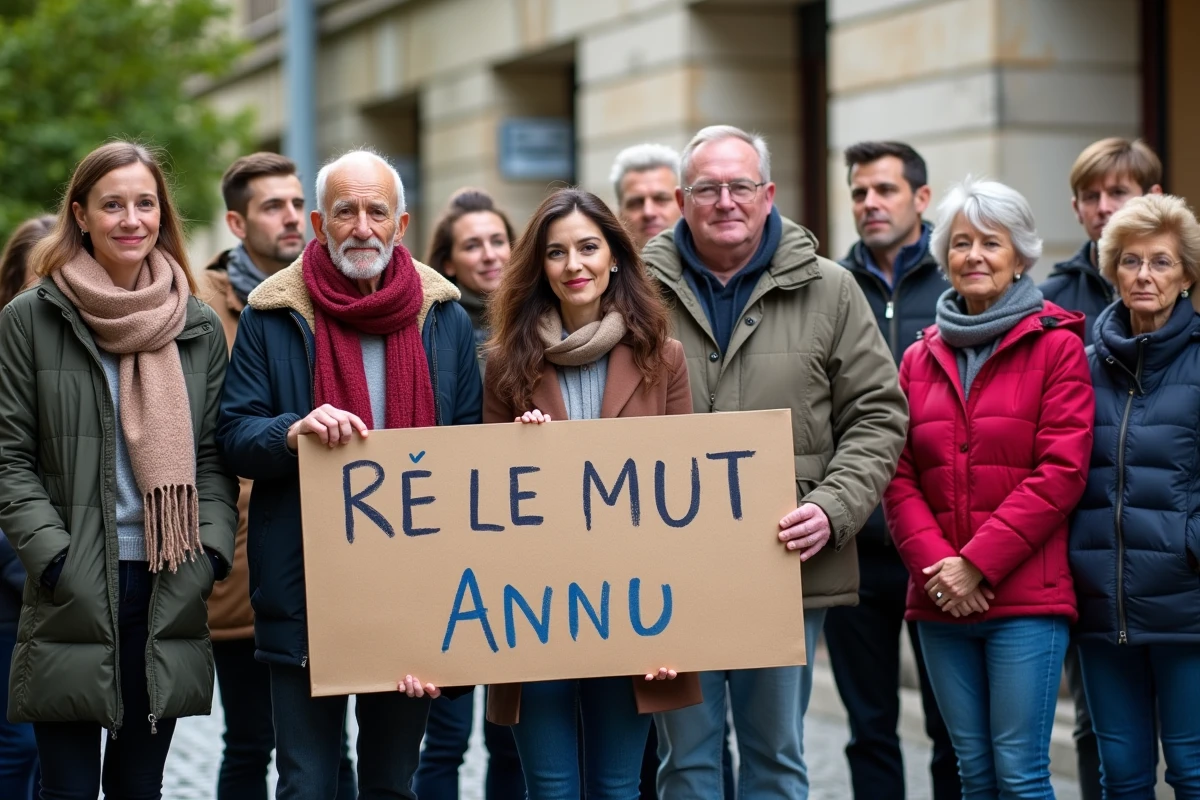
In Rennes, citizen mobilization is not an empty slogan or a militant parenthesis: it invades the streets, shapes debates, and leaves its mark on public life. Locally rooted associations, supported by determined citizens, advocate for energy that is sober, transparent, and democratic. Their goal: to prevent the nuclear issue from being reserved for a closed circle of experts and to bring the discussion within everyone’s reach.
This collective energy manifests in a thousand ways: public meetings, open debates, protest marches, participatory workshops. Civil society in Rennes does not merely challenge elected officials: it proposes, monitors, alerts, and informs. With a strong grounding in associative life, these collectives breathe new life into local democracy and place citizens at the center of decisions.
Here are some concrete actions that rhythm the mobilization:
- Awareness campaigns conducted in schools and universities, to educate about energy issues from a young age,
- Legal actions to compel project leaders to be transparent,
- Citizen forums, where everyone can express themselves and make their vision heard.
Sometimes, these mobilizations lead to tangible progress. In Rennes, the defense of rights and the choice of a nuclear-free future inevitably go through direct action and the participation of all. This dynamic associative fabric proves that democracy only wears out if we let it wither.
Getting involved today: how every citizen can act for a nuclear-free future
The energy transition is no longer reserved for specialists. In Rennes, the population is taking ownership of the subject, adapting it, and living it daily. Everyone can contribute to building a nuclear-free future: informing themselves, debating, questioning decisions, and challenging elected officials.
Speaking up is a first step. Participating in public consultations, writing to representatives in the National Assembly or the CESE, making it known that the question of nuclear energy cannot be settled without debate. Institutions expect this involvement. At the local level, democracy expresses itself every day: one just needs to seize it.
Engagement is also built in associative life. Joining a collective, supporting campaigns for social protection, defending public services, imagining concrete alternatives… all these are ways to shift the lines. Workshops, debates, and awareness campaigns offer spaces for collective engagement, open to all.
Here are some concrete ways to act, here and now:
- Bring new ideas to neighborhood meetings,
- Attend information days organized by local collectives,
- Open dialogue about energy transition with loved ones, to circulate information and viewpoints.
Bringing forth a decarbonized society does not rely on a handful of actors, but on the sum of individual commitments and collective initiatives. For Brittany, and Rennes in particular, to take part in the European dynamic, every citizen holds a piece of the change. Demanding public policies that meet the challenges, refusing resignation, defending the climate and social justice: it all starts with a gesture, a voice, an action.
In Rennes, the future is woven through commitments, debates, and shared victories. It is these citizen impulses, sometimes discreet, sometimes loud, that shape the face of a Brittany resolutely turned towards a post-nuclear future.