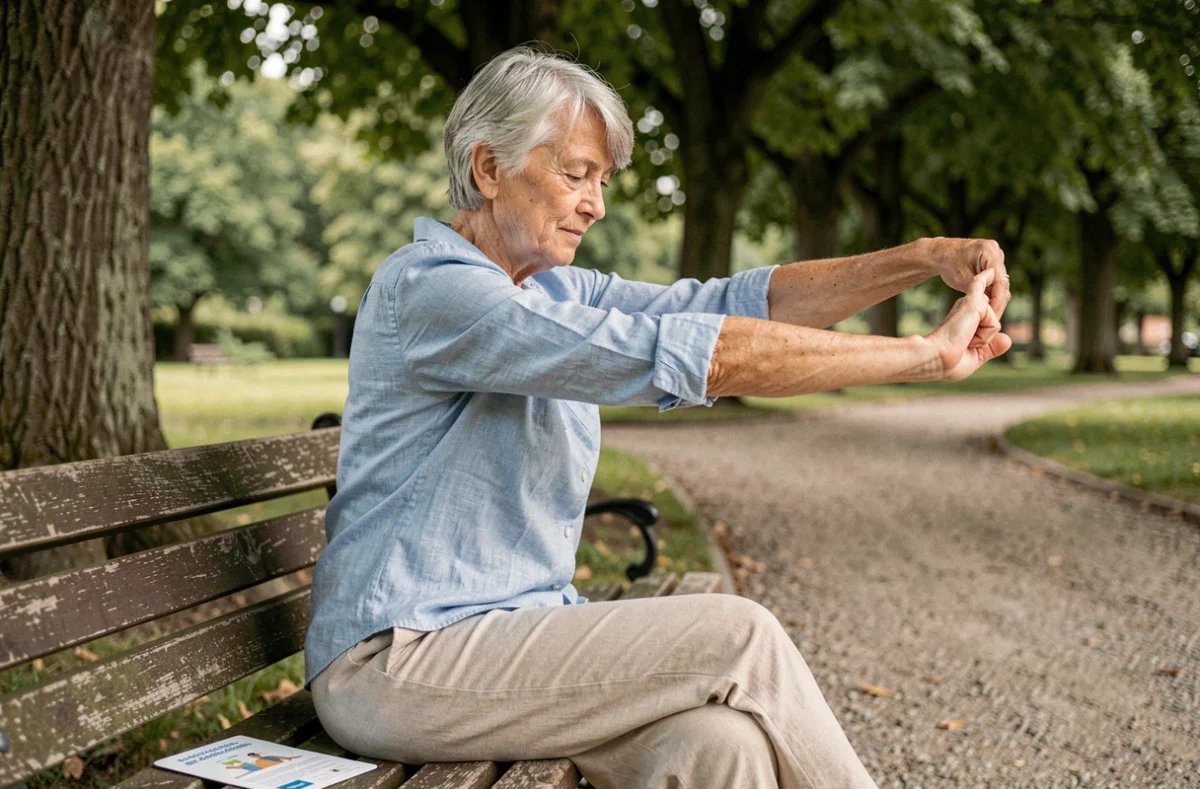
Losing your balance while picking something up from the floor, forgetting a medical appointment, feeling short of breath after climbing a few steps: these everyday signs often go unnoticed. Yet they can be the first signs of frailty, which can be slowed if it is identified early and addressed with the right measures. Staying healthy and independent after 60 depends less on major lifestyle changes than on practical adjustments made consistently every day.
Early frailty in older adults: spot the signs before a fall
Have you noticed that you walk more slowly than you did a year ago, or that you avoid certain outings because you feel tired? This kind of gradual change is characteristic of what geriatricians call early frailty. It does not yet mean a loss of independence, but it does increase the risk of falls, hospitalisation or rapid decline after a minor incident.
The ICOPE programme, led by the World Health Organization, offers people aged 60 and over a self-assessment of six abilities: memory, mobility, nutrition, vision, hearing and mental health. In Occitanie, the regional health agency (ARS) has rolled out the programme locally, and it is being extended nationwide.
The aim is not to diagnose yourself. The self-assessment acts as a screening tool: if one or more areas show a decline, your GP can refer you for a targeted geriatric assessment. This assessment, carried out in a day hospital or specialist clinic, measures muscle strength, walking speed, nutritional status and cognitive function.
Among Tsa E-Santé’s advice for older adults, this focus on early detection is central, as it makes it possible to address frailty while it is still reversible.
Self-assessment and limitations to keep in mind
A questionnaire completed at home is no substitute for a clinical examination. Two precautions are worth taking:
- Answer honestly, without downplaying difficulties out of habit or pride, as a falsely reassuring result can delay care
- Do not interpret an unfavourable score as a verdict: it indicates a need for assessment, not a confirmed illness
- Involve a relative or caregiver, as some changes (in memory or hearing, for example) may be more noticeable to others than to the person themselves
Adapted physical activity: the foundation of independence after 60
Staying active remains the most effective way to slow age-related muscle loss. Muscle mass naturally decreases over the years, and this loss increases the risk of falls and fractures.
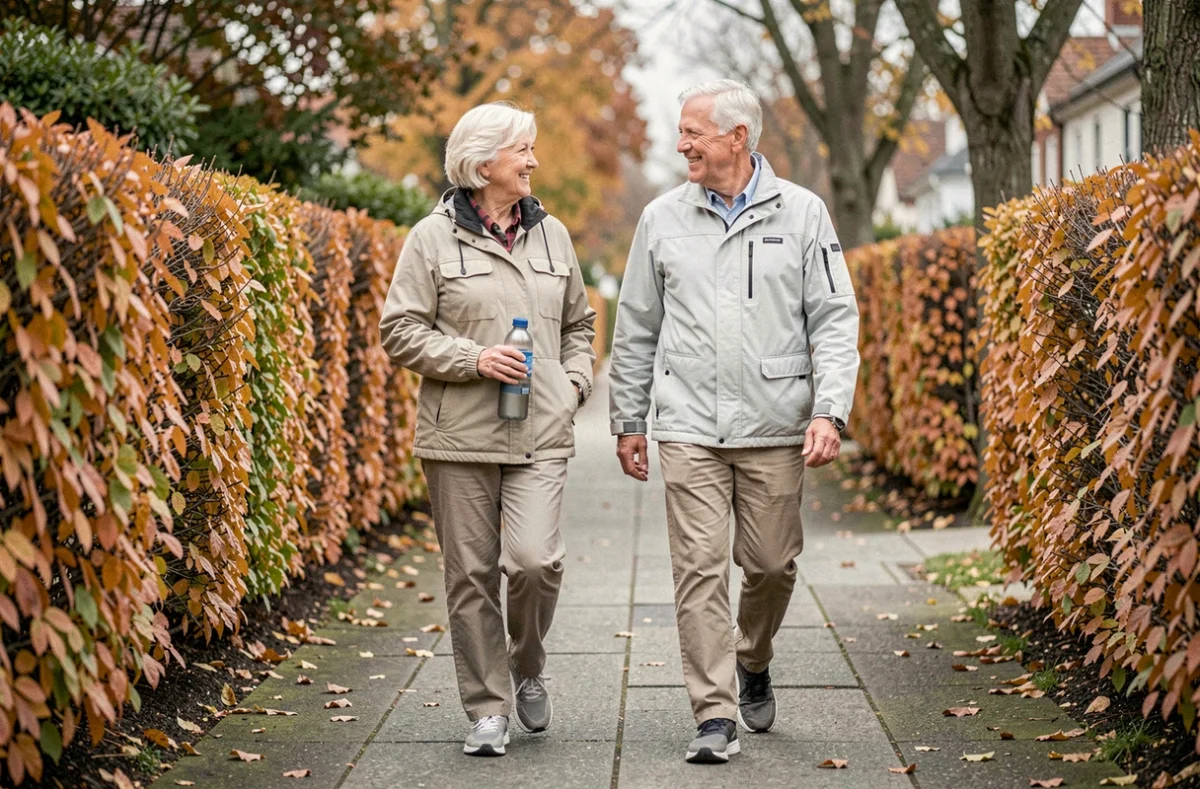
The goal is not to run a marathon. Thirty minutes of walking each day, a few balance exercises standing on one leg by the kitchen counter, or a weekly gentle exercise class can help maintain leg strength and postural stability.
Choosing the right type of exercise
Three types of exercise work well together:
- Endurance exercises (walking, stationary cycling, swimming) support breathing and cardiovascular health
- Strength exercises (lifting light weights, chair-assisted squats) help preserve muscle mass and bone density
- Balance exercises (tai chi, standing on one leg, movement courses) directly reduce the risk of falls
Before starting a programme, medical advice can help tailor the intensity to any joint or heart conditions. Regular, moderate exercise offers better protection than intense, occasional workouts.
Nutrition and hydration for older adults: often-overlooked adjustments
As we age, our appetite decreases and we feel less thirsty. These changes increase the risk of malnutrition and dehydration, both of which can accelerate the loss of independence.
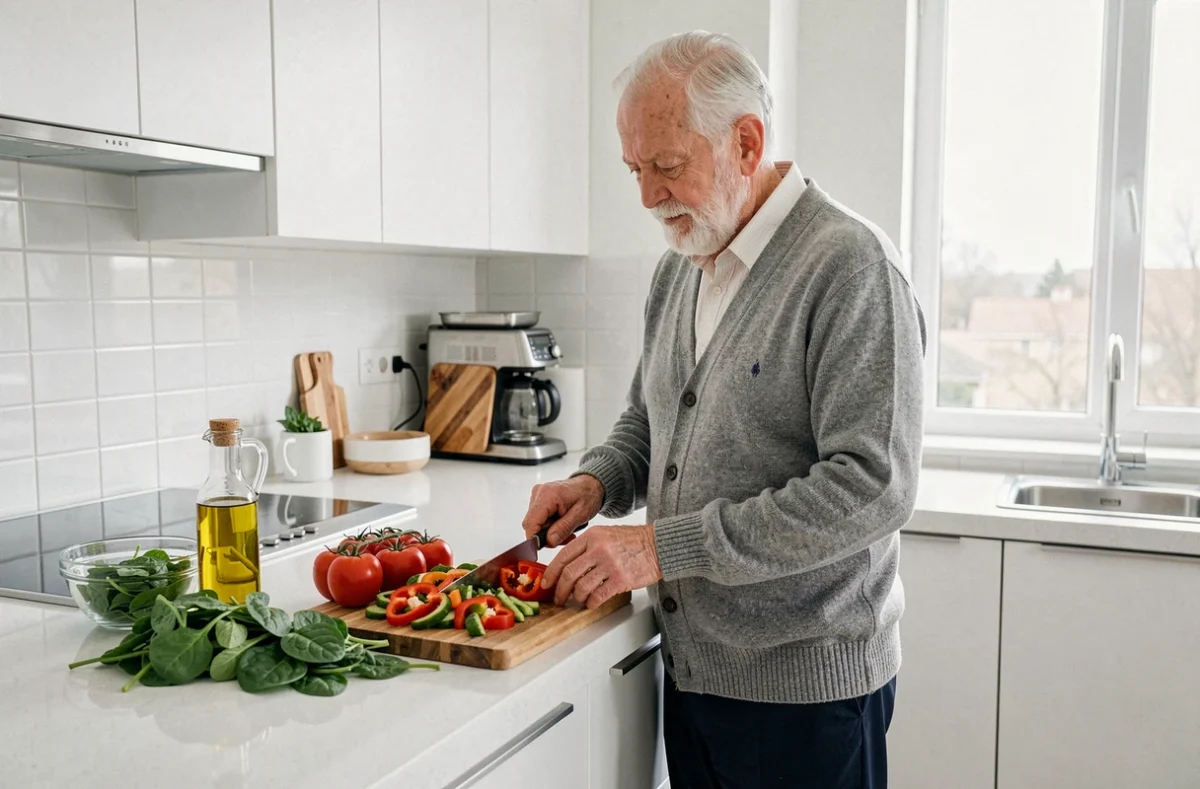
Protein deserves particular attention. It helps slow muscle loss. Meat, fish, eggs and pulses: including some at every main meal, even in small amounts, can make a measurable difference to physical strength over time.
Calcium and vitamin D also help protect bone strength. Dairy products, calcium-rich mineral water and sensible sun exposure can meet a large proportion of our needs.
Hydration: a habit worth building
Not waiting until you feel thirsty to drink is simple advice, but it can be difficult to follow every day. Keep a bottle of water in sight on the table, have a glass with and between meals, and vary things with herbal tea or broth: these small routines help prevent dehydration, which can cause confusion, faintness or falls in older adults.
Vaccination for older adults: an expanded schedule to know about
Prevention goes beyond healthy habits. Vaccination recommendations for older adults were expanded in 2025. Vaccination against RSV (respiratory syncytial virus) is now recommended from age 75, as well as for people aged 65–74 with certain chronic heart or respiratory conditions.
Flu vaccination coverage remains below the public health target. Vaccination rates for shingles and pneumococcal disease are even lower. Reviewing all recommended vaccines with your GP each autumn helps ensure that important protection is not overlooked.
Social connection and mental health: as powerful as physical exercise
Isolation accelerates cognitive decline and increases the risk of depression. Keeping in regular contact with family and friends, taking part in group activities (memory workshops, walking clubs, volunteering) or simply chatting with a neighbour can help preserve cognitive function.
Sleep also plays a direct role. Sleep patterns change with age: it takes longer to fall asleep, and night-time waking becomes more frequent. Rather than relying on sleeping pills, keeping a regular schedule and limiting screen time in the evening can gradually improve sleep quality.
Staying healthy as you get older comes down to a few habits practised regularly: spotting signs of frailty early, moving every day at your own pace, eating enough protein, drinking before you feel thirsty, keeping vaccinations up to date and nurturing social connections. None of these measures requires a major lifestyle change, but together they can make a real difference to how we age.