Arranging a house is like solving an equation between the available volumes, the light received, and the actual uses of each room. Before choosing a color or a piece of furniture, the first step is to map out the circulation: identifying the passageways, dead zones, and usable surfaces conditions everything else.
Functional zoning: the method that precedes any decoration
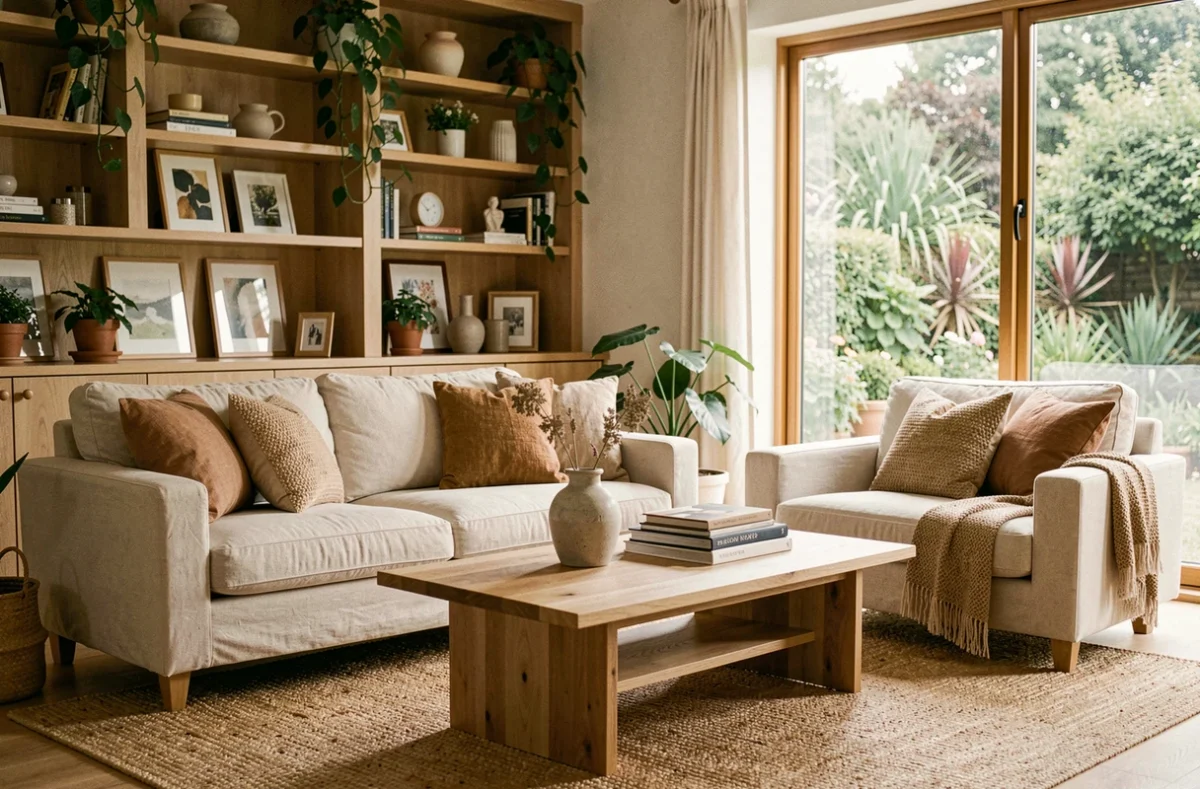
Functional zoning involves assigning a specific function to each portion of a room before placing any objects. In a living room open to the kitchen, mentally tracing three zones (dining, relaxation, passage) helps avoid poorly placed furniture that blocks circulation or a sofa turned away from the light.
In practical terms, a rug defines a conversation corner, a low piece of furniture separates the dining area from the relaxation corner, and a floor lamp indicates a reading zone. These visual markers replace partitions without reducing the perceived volume.
To delve deeper into this type of approach room by room, several resources compile ideas categorized by use on the Breizheo website for the home, which helps visualize arrangements suited to different surfaces.
Zoning also applies to small spaces. A six-square-meter office can accommodate a work surface, vertical storage, and a reading chair if every centimeter is assigned a unique use. A space without a defined function always ends up cluttered.
Natural light and material choices: the duo that transforms a room
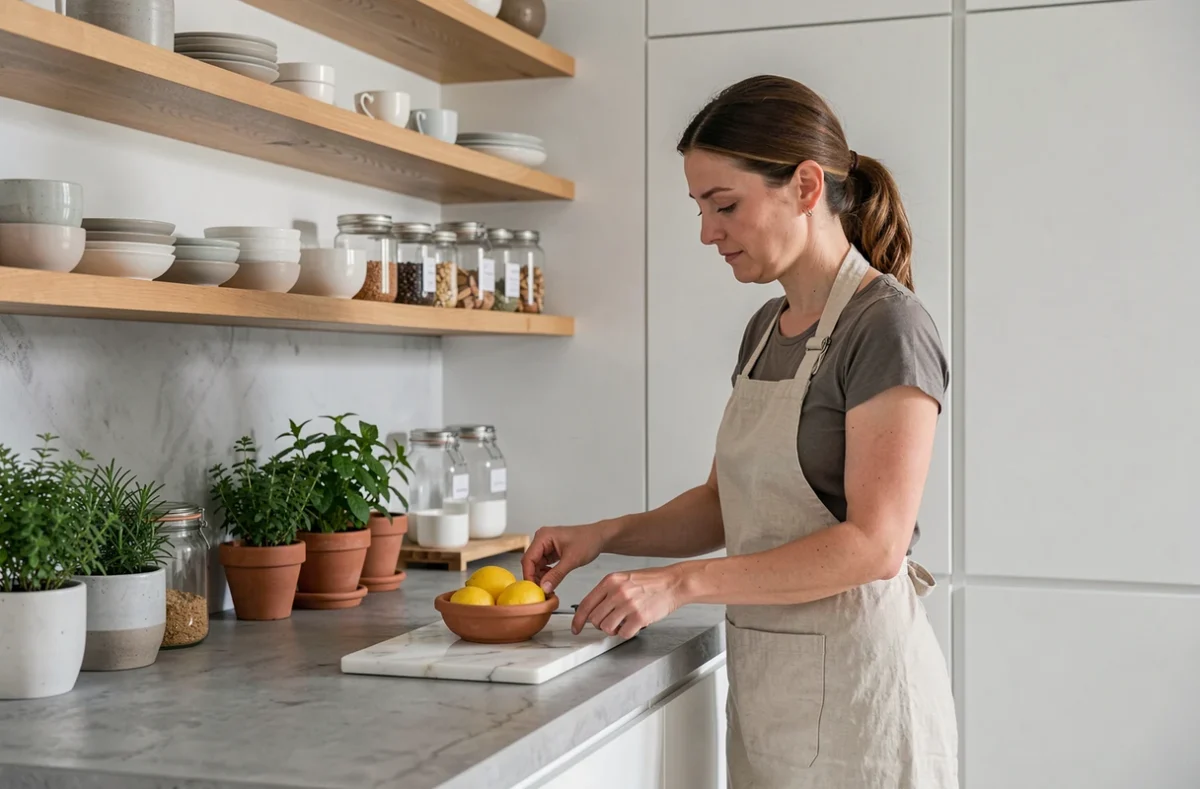
Natural light dictates the palette of materials and colors much more than current trends. A north-facing room, which receives cold and diffuse light, struggles with gray or bluish hues that accentuate the coldness. Warm materials (light wood, linen, rattan) and cream or ochre tones compensate for this deficit.
Conversely, a south-facing room tolerates bolder colors. Deep greens, terracottas, and duck blues gain density under direct lighting without darkening the space.
Combining materials without overloading
The most reliable rule remains to limit the palette to three dominant materials per room. For example: wood, black metal, and linen textile. Adding a fourth material in small quantities (ceramics, glass, stone) creates an accent without tipping into accumulation.
- Wood brings warmth and works in all orientations, provided the species is adapted (light oak in the north, walnut in the south).
- Metal (steel, brass, brushed aluminum) structures the space and provides a sharp contrast point.
- Textiles (linen, washed cotton, boucle wool) absorb sound and soften the lines of angular furniture.
This trio logic extends to the bathroom as well as the bedroom. In a bathroom, a stone vanity top, a metal-framed mirror, and thick cotton towels are enough to create a cohesive atmosphere.
Integrated storage: the most underestimated lever in interior decoration
Storage conditions the perception of an interior much more than the choice of sofa or wall color. A cluttered room appears smaller, darker, and less welcoming, regardless of the decorating budget invested.
Wall storage from floor to ceiling exploits the ceiling height and frees up floor space. In a narrow entryway, a column of closed lockers (35 cm deep) absorbs shoes, bags, and coats without encroaching on the passage.
Kitchen and living room: two concrete cases
In the kitchen, compartmentalized drawers replace deep cabinets where items stack and disappear. A 60 cm drawer equipped with dividers makes every utensil accessible in one motion.
In the living room, multifunctional furniture (bench with storage, coffee table with a lift-top) reduces the number of visible objects. Fewer visible pieces of furniture create an immediate sense of spaciousness.
Vintage and botanical wallpaper: two measurable decoration trends in 2026
According to the Designer Trends Survey 2026, conducted among 468 interior designers, 85% of the professionals surveyed had integrated at least one vintage piece into a client project in 2025. Vintage is no longer just a style effect: it is becoming a choice of prescription driven by the professionals themselves.
Incorporating an antique chair or console into a contemporary interior creates a contrast of texture and era that breaks the monotony of new sets. The condition: not to turn it into a museum. One or two vintage elements per room are enough to anchor a personality without turning the living room into a flea market.
Panoramic wallpaper and botanical decor
Meanwhile, French searches on Pinterest for panoramic wallpaper and wallpaper in the bedroom have significantly increased between the first quarters of 2024 and 2025. Queries about green living rooms have followed the same trajectory.
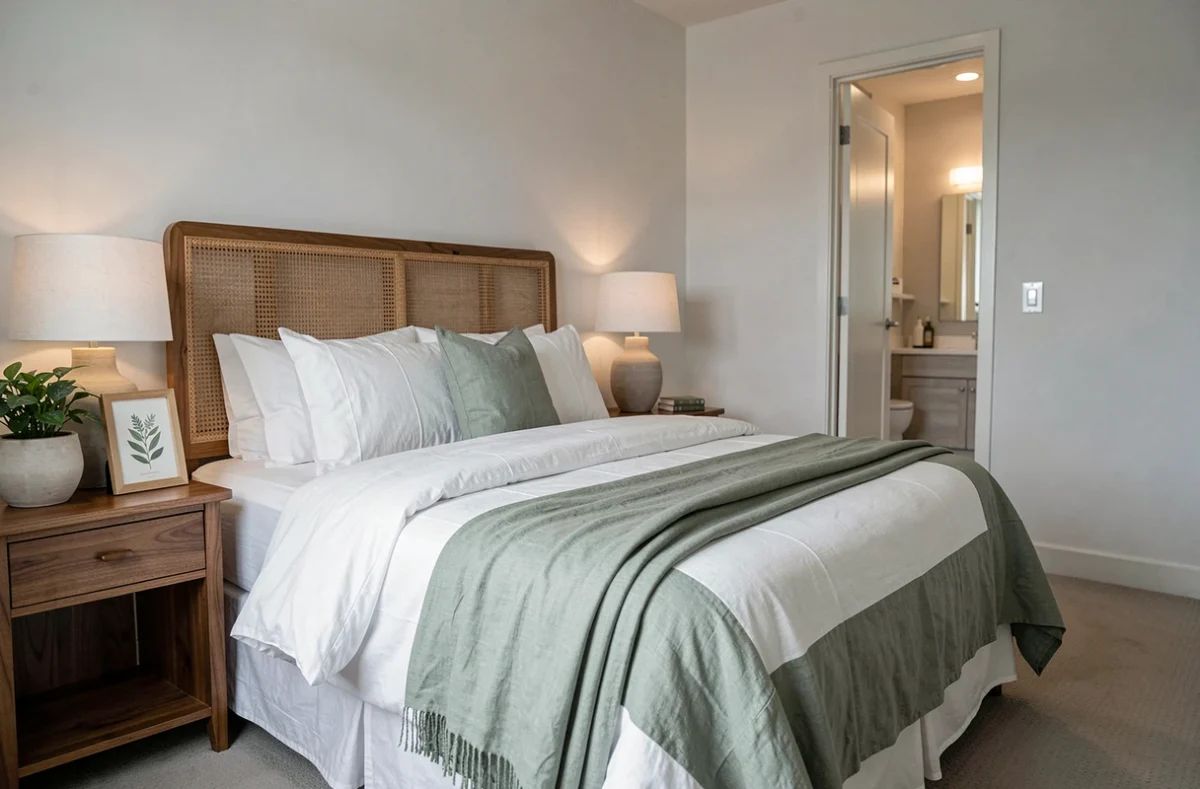
- Leaf-patterned wallpaper works on a single wall (headboard wall, wall facing the entrance of the living room) to avoid the gift-wrap effect.
- Plant hues (sage green, olive green, moss) pair well with wood and linen, making them compatible with the three-material logic mentioned earlier.
- An expressive wall compensates for simple furniture: it carries the visual identity of the room on its own.
This trend reflects a measurable interest in biophilia, which involves introducing references to living things into the habitat to enhance perceived comfort.
Each room benefits from being thought of as a system where zoning, light, materials, and storage interact. Modifying just one of these parameters (changing the orientation of a sofa, adding a storage wall, placing wallpaper on a strategic surface) can sometimes radically transform the perception of a space without engaging in heavy renovations.