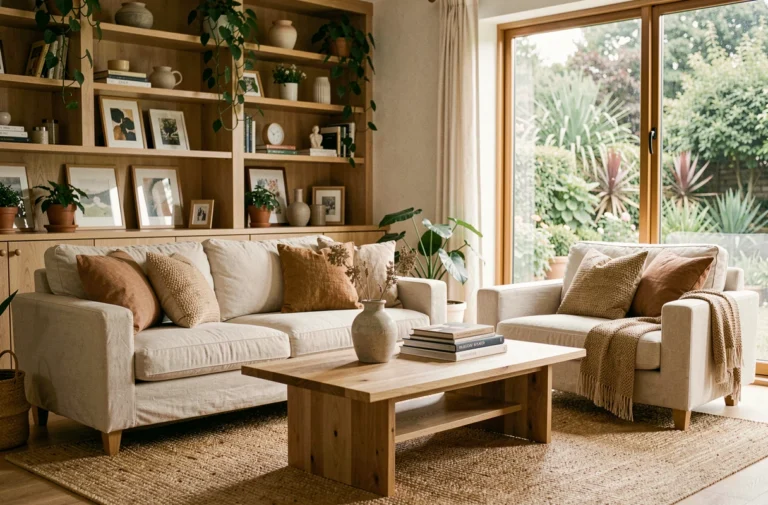
Law No. 2026-602 of July 8, 2026, redefines the rules of the game for textiles sold in France. Brands whose model relies on massive reference turnover and low incentives for repair are now penalized. This regulatory framework directly modifies the fashion trends of this season: durable pieces, traceable materials, and silhouettes designed to last through multiple seasons are gaining ground in the autumn-winter collections.
Anti-fast fashion law: what changes concretely for style this season
Law No. 2026-602 targets “ultra-fast fashion” based on two cumulative criteria: a high number of new references launched on the market and a low incentive for repair. Second-hand items are excluded from the framework. We observe that this regulatory filter pushes brands to reduce the turnover of their ranges and to focus on pieces designed to last.
A direct consequence on the autumn 2026 collections: designers favor timeless cuts, denser weaves, and reinforced finishes. The structured blazer, straight jeans in thick fabric, and ribbed knit dress are not risky aesthetic choices. They respond to an economic logic where the durability of the garment becomes a criterion of legal compliance.
For consumers, this translates into a clear shift: investing in three solid pieces rather than ten disposable items. Brands that now publish the manufacturing location near the price (a requirement stemming from the same law for online sales) facilitate this sorting, as regularly reported by the fashion section of Wow Magazine in its collection analyses.
Autumn 2026 palette: colors and materials that structure a coherent wardrobe
Burgundy dominates this season, but not in its saturated version from previous years. Muted shades, close to wine or garnet, prevail on key pieces: mid-length coats, pleated midi skirts, and merino wool sweaters. Chocolate and ecru complement this range by playing the role of modern neutrals, replacing black and gray in everyday looks.
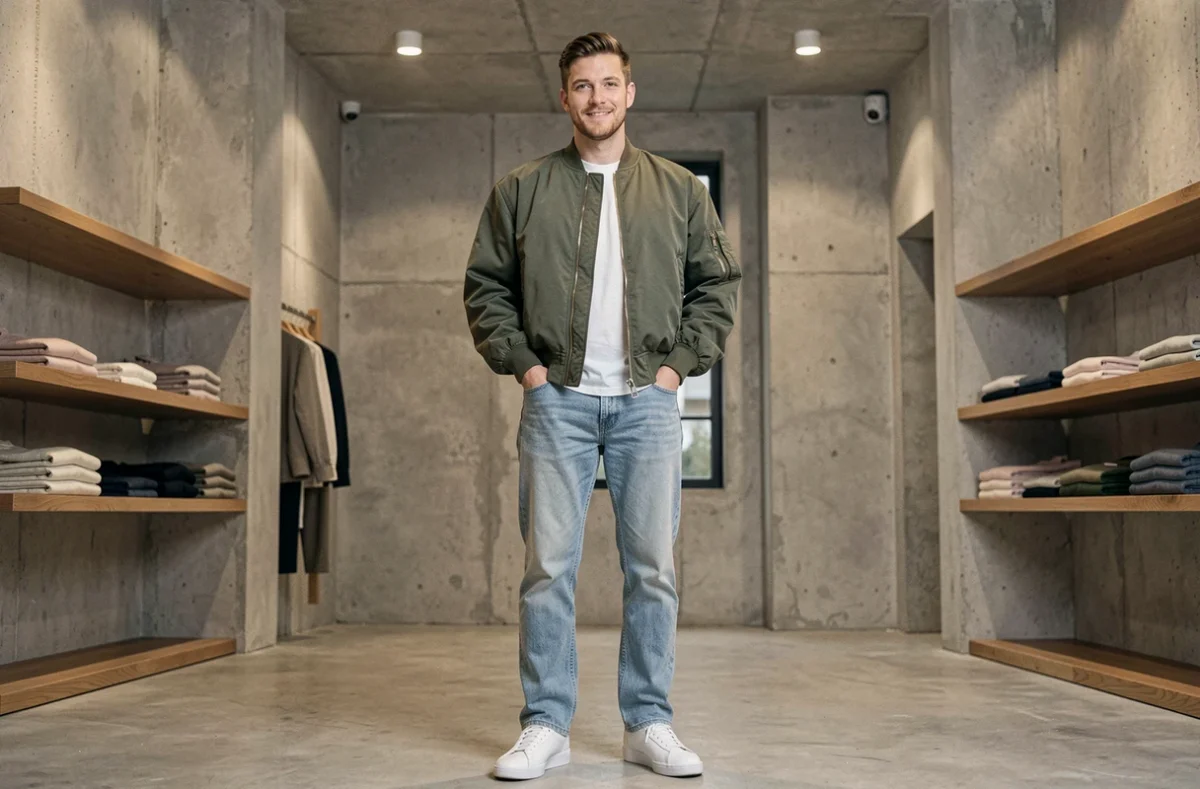
Khaki returns in a less military form, leaning towards sage. It can be found on fluid blouses and pleated trousers. These four colors are enough to create a complete autumn wardrobe without redundancy or visual fatigue.
On the materials side, we recommend systematically checking the displayed composition. Ribbed cotton blend knit (with at least one-third natural fibers) offers a good compromise between structure and comfort. Rigid, non-pre-washed denim fabrics withstand washes better and age with more character.
Prints to favor this season
Prince of Wales checks return on blazers and straight trousers, in enlarged formats that modernize the pattern. Fine vertical stripes work on shirts worn open over a turtleneck. Flowers are absent from the autumn 2026 runways: the botanical gives way to geometries.
- Enlarged Prince of Wales checks on structured pieces (blazer, tailored trousers) for a professional look without rigidity
- Fine vertical stripes on shirts and blouses, ideal for layering under a jacket
- Abstract geometric patterns on accessories (scarves, bags) to inject contrast without overloading the silhouette
Key silhouettes: cuts that define autumn-winter style
The barrel cut on jeans continues to progress. This rounded volume at the thighs that narrows at the ankle creates a silhouette distinct from slim and wide-leg. The barrel jeans are worn with square-toed ankle boots and a fitted top to balance proportions. It is the quintessential transitional piece between summer and autumn.
The long blazer (below the hip) is gradually replacing the cropped version from previous seasons. Worn belted over a sweater dress, it functions as a light coat until November. Its straight shoulder construction, without excessive padding, gives a clean line.
Autumn dress: models that work for everyday
The midi knit dress with a high collar remains a reliable choice. Worn alone with high boots or layered under a trench, it absorbs temperature variations. Models in wide ribs add texture without a pattern. Choosing a knit dress with a sufficiently dense weight avoids the “under-sweater” effect that undermines the piece.
The poplin shirt dress, worn open like a duster over trousers, serves as an alternative to light jackets. This usage extends the garment’s lifespan beyond a single season.
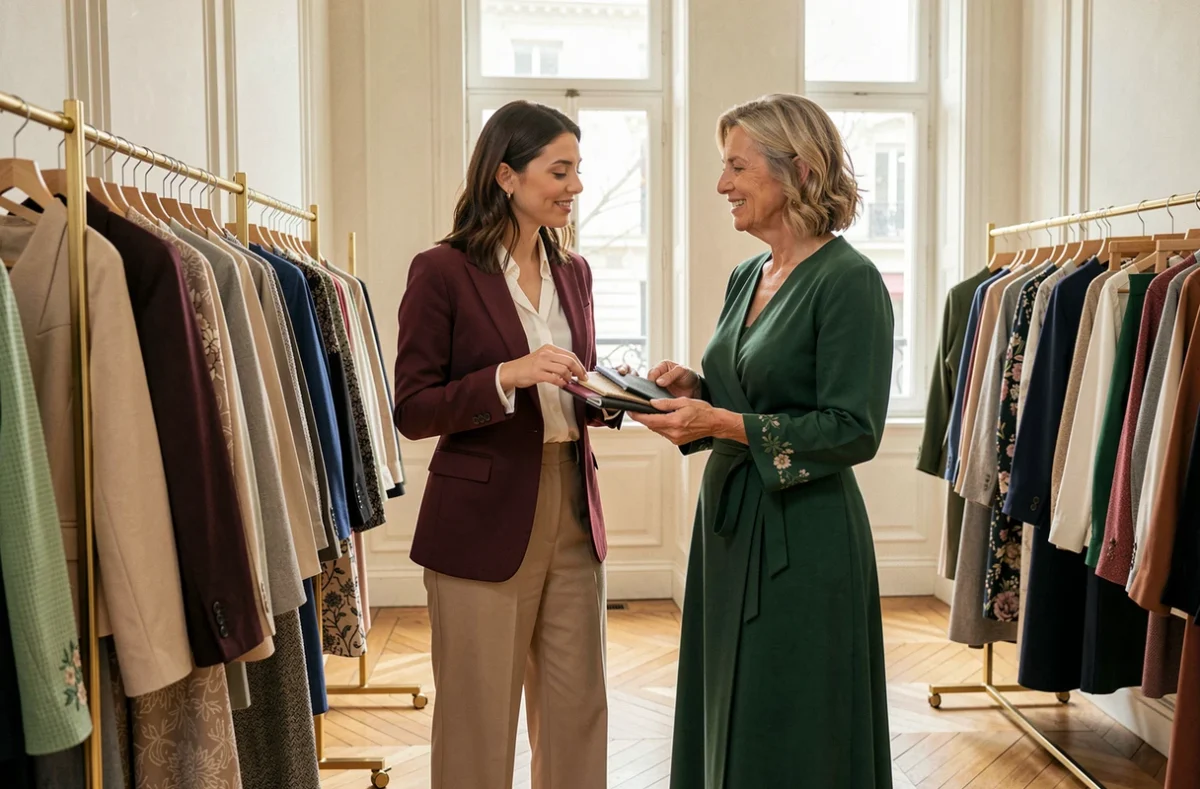
Textile traceability: read labels before building your look
Since the implementation of Law No. 2026-602, online clothing sales must display manufacturing locations in a font size comparable to that of the price. This requirement transforms the way seasonal pieces are selected.
We recommend cross-referencing two pieces of information before any purchase:
- The displayed manufacturing location: European production (Portugal, Italy, Romania) generally indicates higher finishing standards and stricter quality control
- The detailed composition: a percentage of synthetic fibers exceeding two-thirds often indicates a piece with a limited lifespan, regardless of its price
- The mention of repairability: some brands are starting to indicate whether the garment can be mended or adjusted, a marker directly related to the law’s criteria
Traceability is no longer a marketing argument but a concrete selection tool. A pair of jeans made in Portugal from thick fabric and a pair made outside Europe from thin fabric will not have the same longevity, even if sold at the same price.
Building a sustainable style this season comes down to applying a simple filter: each piece added to the wardrobe should be wearable for at least three seasons without loss of shape or color. The autumn 2026 fashion trends, from burgundy to barrel jeans to long blazers, converge towards this logic. The French regulatory framework accelerates the movement, and the collections available this season confirm it.